“She wore no armor, but her arms gleamed white and silver in the setting sunlight…There was something preternaturally still and unmoving about her face.”
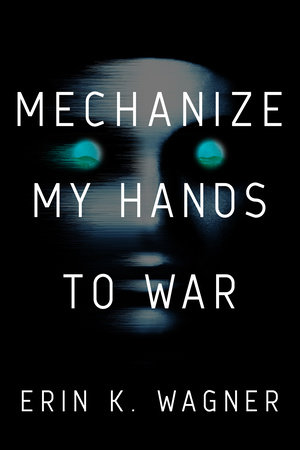
The emergence of artificial life intersects with state violence and political extremism in rural Appalachia, where startingly intimate portraits of survival and empathy bloom against a stark backdrop of loss.
Order:
Throughout, Wagner exhibits a flair for realistic worldbuilding, imagining a future in which, among other changes, health insurance companies charge lower premiums to those whose home health needs are provided by a skilled humanoid robot rather than another human being. The result is a sharply imagined and all too plausible exploration of the future of AI. Fans of C. Robert Cargill’s robot novels will be impressed.
Starred Review from Publishers Weekly
I got a very thoughtful meditation on how what is made and what is felt can converge and separate, set against a rural, yet futuristic backdrop. I got a challenging ending that feels more like the beginning of something new than anything else–but then, isn’t that what all endings are?
Lightspeed
The weaving of all these harrowingly realistic narratives, especially in overlapping
perspectives on key events, raises more questions than answers about both war and what it means to be human.Booklist
*affiliate link; author receives a commission
 Erin k. Wagner